

 0151 203 0020
Hair Transplant Liverpool
Hair Transplant Liverpool
Hair Transplant Liverpool
How Does the Direct Hair Implantation Technique Work?
At Cosmetic Surgery of The Royal Liver Building, a CQC-registered clinic, we work side by side with Hair Transplants of The Royal Liver Building, to offer advanced FUE hair transplant procedures. Our surgeon Dr. Waqas uses direct hair implantation with a specialist implanter pen, which allows precise control over the angle, depth, and placement of grafts. This hair transplant method is performed with meticulous care to address hair thinning and loss in men and women, providing a controlled, clinically-led approach to hair restoration.
Hair Transplant Patient Testimonials
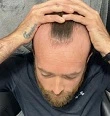
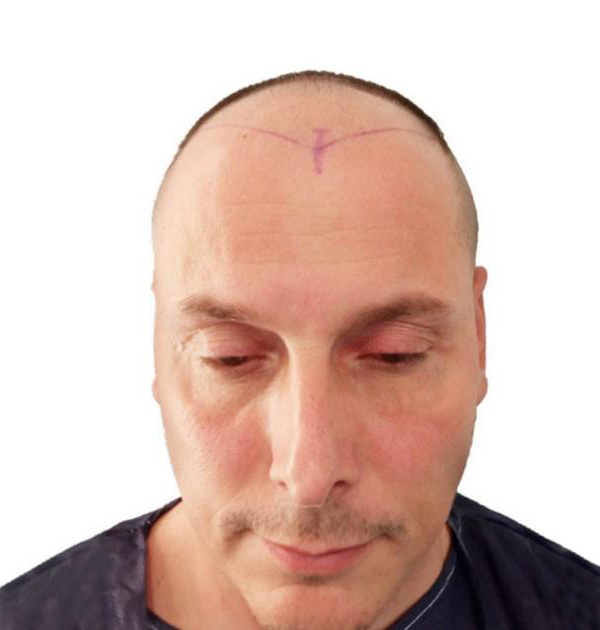
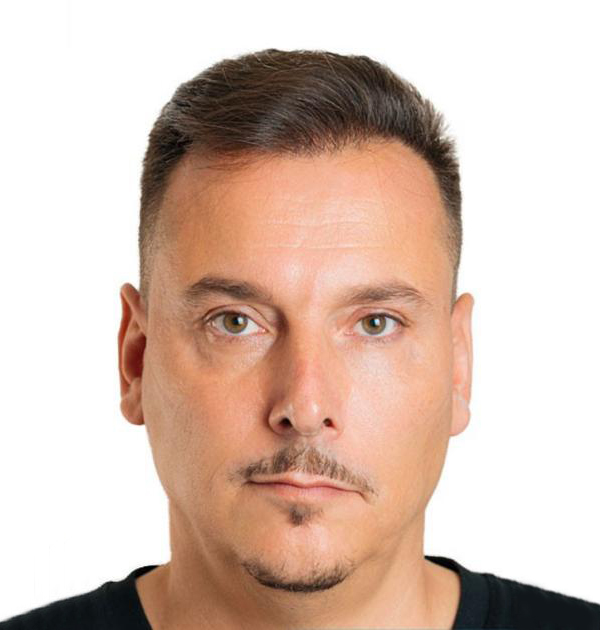
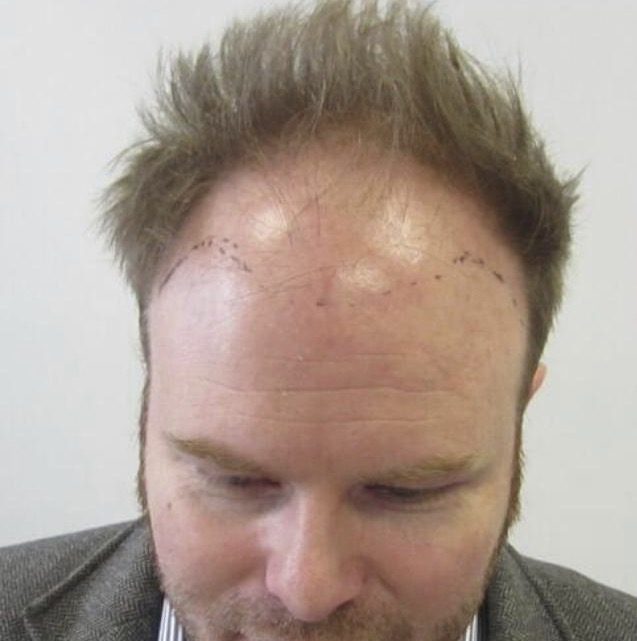
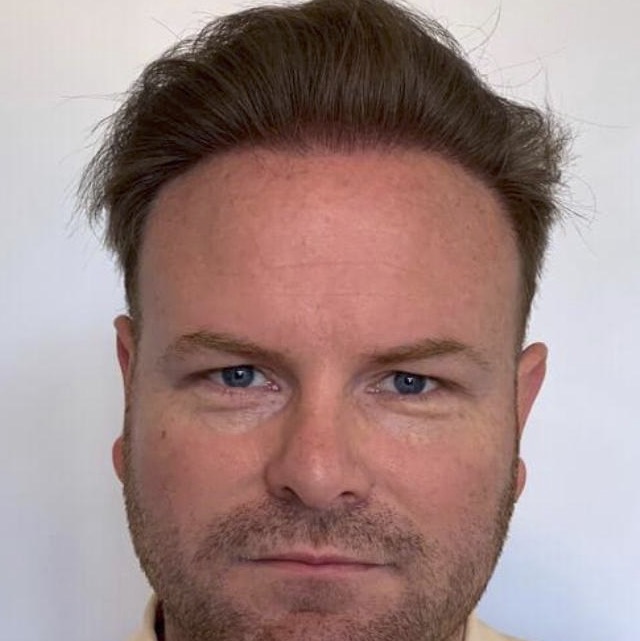
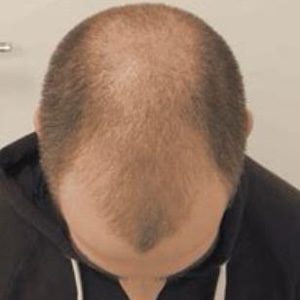
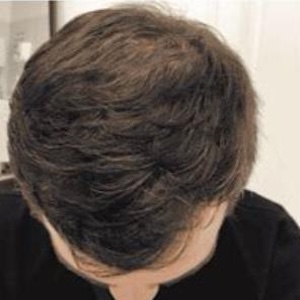
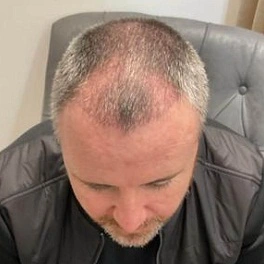
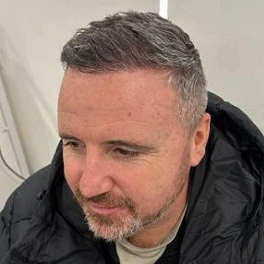
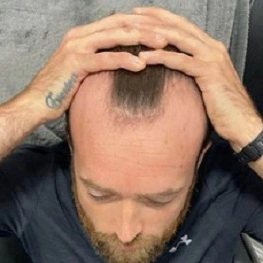
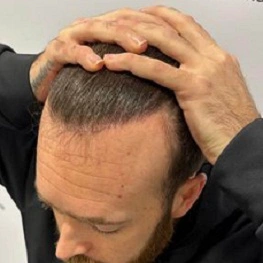
From Procedure to Progress – Real Hair Loss Clinic Transplant Results
ON 0151 203 0020 TODAY
What to Expect During a Direct Hair Implantation (DHI) Procedure
FUE using Direct Hair Implantation (DHI) technique is where follicles are extracted from the donor area and implanted into the recipient area using a specialist implanter pen.
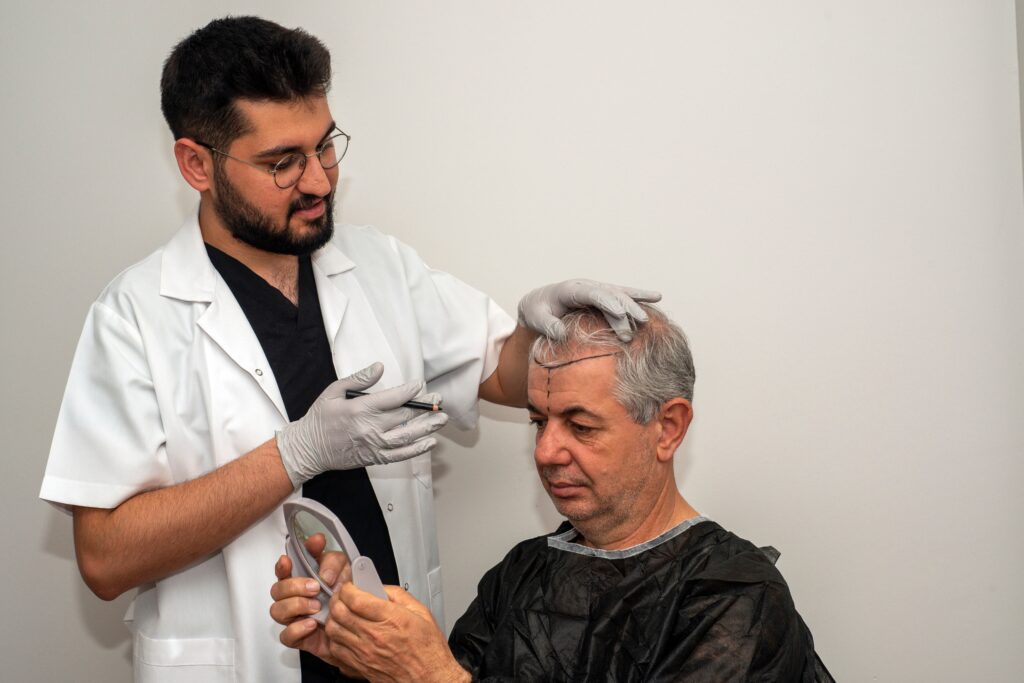
Before the hair transplant procedure, the donor area is shaved and local anaesthetic is administered for comfort. The Choi implanter pen is then used to place each follicle precisely into the target area, including the crown, mid-scalp or hairline.
Pros Of Hair Transplants Using The Dhi Technique
- Minimally invasive, outpatient procedure
- No linear scarring at donor site
- Allows precise control over follicle placement
- Minimal discomfort during procedure
- Recovery time is generally short, allowing patients to return to daily activities quickly
Pre Hair Transplant Treatment
Before treatment, you will attend an in-person consultation at our CQC-registered Liverpool clinic with one of our experienced surgeons. Your hair loss and medical history will be assessed, suitable treatment options discussed, and, if appropriate, a personalised treatment plan provided. There is no obligation to proceed with treatment.
Post Hair Transplant Treatment
Following the procedure, the donor area will be bandaged, and patients will receive a full aftercare plan. Hair transplant results vary depending on the patient’s hair characteristics, donor availability, and adherence to post-treatment instructions.
Hair Transplants: Benefits and Considerations
Follicular Unit Excision (FUE) is a minimally invasive hair transplant procedure used to harvest individual hair follicles for transplantation. As part of the procedure, our surgeons may use the Direct Hair Implantation (DHI) technique, to place grafts with precision and controlled angulation during hair restoration.
At Hair Transplants of The Royal Liver Building in Liverpool, our experienced surgical team provides a clinically led, patient-focused approach to hair restoration, tailoring each treatment plan to the individual patient’s needs and suitability. Individual outcomes vary, and a full consultation is required to determine the most appropriate treatment approach.
For further information on hair transplant terminology and surgical techniques, patients can refer to guidance published by the International Society of Hair Restoration Surgery (ISHRS).ON 0151 203 0020 TODAY
ON 0151 203 0020 TODAY
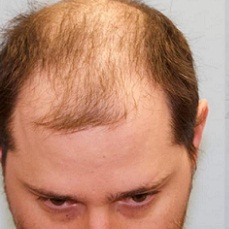
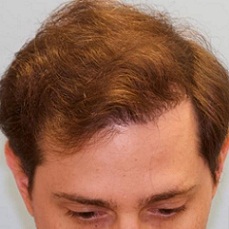
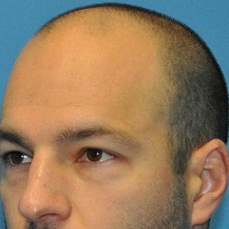
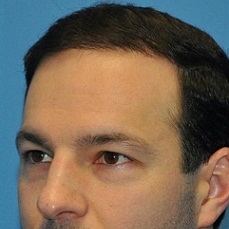
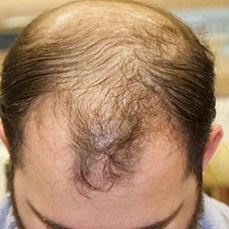
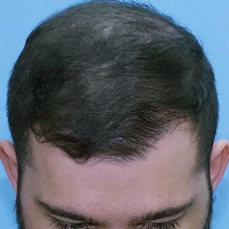
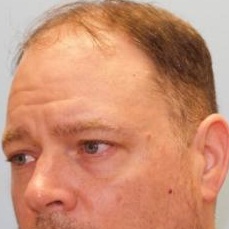
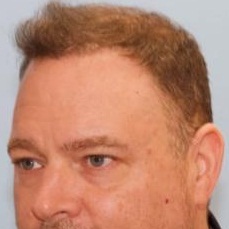
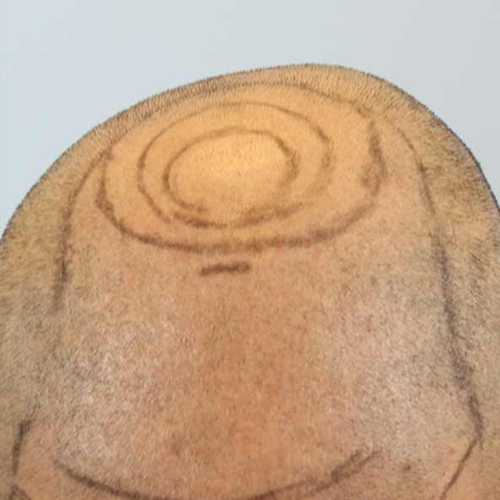
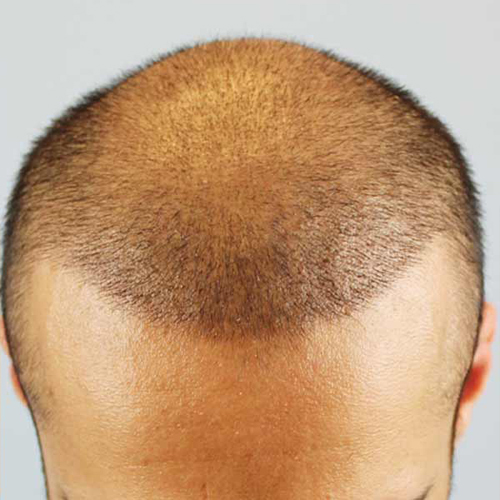
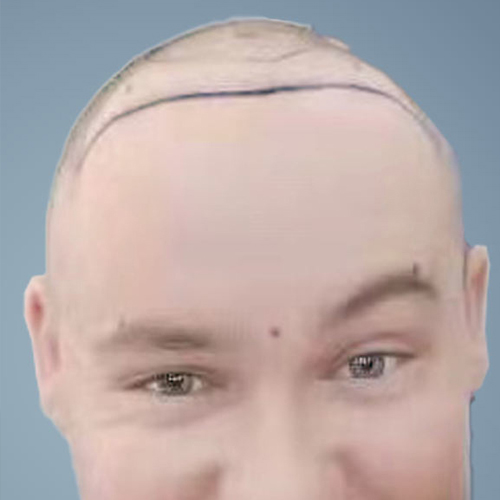
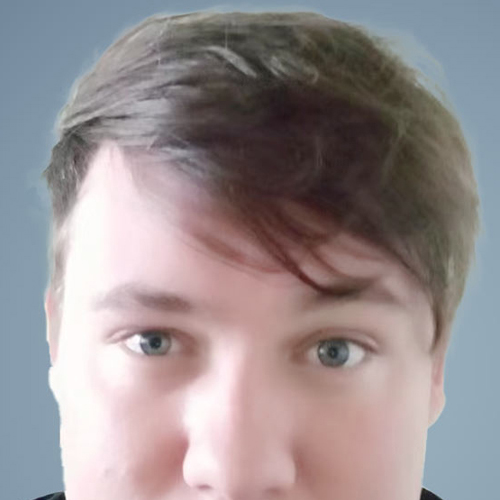
Hair Transplant Before & Afters
FAQS
Your consultation will take place in person at our CQC-registered clinic within The Royal Liver Building in Liverpool. During your appointment, one of our experienced surgeons will assess your hair loss, review your medical history, discuss your treatment options, and determine whether a hair transplant is suitable for you. If appropriate, you will receive a personalised treatment plan, with no obligation to proceed.
Full results from a hair transplant typically become visible between 10 and 14 months after the procedure. Some patients may see initial hair growth within six months, with continued development over time. Results depend on individual factors including hair characteristics, donor availability, and adherence to aftercare guidance.
At Cosmetic Surgery of The Royal Liver Building, minor procedures generally take between three to four hours, while more extensive procedures may last six to seven hours. The duration depends on the number of grafts required. Patients can take breaks during the procedure.
Yes. Procedures are conducted under local anaesthetic to ensure comfort and minimal discomfort during surgery.
FUE using direct hair implantation (DHI) technique is considered a safe procedure when performed by experienced surgeons. Our clinic provides comprehensive aftercare and ongoing support to help ensure a smooth recovery and address any patient concerns.
Non-surgical hair restoration solutions are temporary and require ongoing maintenance. They do not provide a permanent solution and may need replacement over time.
FUE procedures will likely leave tiny dot scars, that are typically only visible on very closely shaved hair or on close inspection. We use a fine punch size to help minimise scarring. Comprehensive aftercare is provided to support healing.
When performed correctly, transplanted hair behaves like the patient’s natural donor hair and can provide long-term improvement. Outcomes vary depending on individual characteristics and post-procedure care.
Common causes of hair loss vary between men and women. In men, the most frequent cause is male pattern hair loss, driven by hormones such as DHT (dihydrotestosterone). In women, hair thinning is usually influenced by other factors, including genetics, medical conditions, or hormonal changes. A full assessment is performed during consultation to determine the underlying cause and the most suitable treatment plan.
No. Hair must come from the patient’s own donor area to prevent rejection, infection, and other complications.
Recovery varies with activity level. Patients in non-physical jobs may return to work within a few days, while physically demanding work may require around a week.
Hair growth varies by individual. Transplanted follicles typically enter a resting phase for approximately 12 weeks before new growth begins. By around six months, some new hair growth should be visible, with continued improvement over the following months.
FUE with Direct Hair Implantation (DHI) technique redistributes existing donor hair to thinning areas rather than generating new hair. The surgeon will use available donor hair to create as full an appearance as possible, especially at the front hairline and face-framing areas.
Hair restoration can be performed at any age, but eligibility depends on individual factors, which are assessed during the welcome consultation.
Because FUE using Direct Hair Implantation technique (DHI) does not create linear scarring, the donor area is preserved, allowing for the possibility of more than one procedure if needed. The suitability for additional treatments is determined during a thorough assessment.
Side effects are typically mild. Common effects include temporary swelling or sensitivity in the donor or recipient areas. Severe side effects are rare. The clinic provides detailed aftercare instructions to ensure a smooth recovery.
According to BAHRS guidelines, potential complications include:
- Swelling – Mild swelling around the forehead and eyes may occur but usually resolves within 3-7 days.
- Bleeding & Bruising – Some minor bleeding at the donor or recipient sites is normal but should stop within
- 24 hours.
- Folliculitis (Pimple-like Bumps) – Temporary inflammation of hair follicles may occur in the weeks following
- surgery but usually resolves on its own.
- Temporary Numbness – Some numbness or tingling in the donor or recipient areas may persist for a few
- weeks.
- Unnatural Hair Growth Direction – If follicles are not implanted correctly, hair may grow at an unnatural
- angle, though this is rare with experienced surgeons.
- Shock Loss – Some surrounding hairs may temporarily fall out post-surgery, but they will regrow within 3-6 months.
Seek Medical Advice If You Experience:
- Persistent redness, swelling, or pus discharge (signs of infection).
- Excessive pain that does not improve with painkillers.
- Prolonged bleeding beyond the first 24 hours.
- Sudden, excessive shedding beyond expected post-op hair loss.
Post-treatment care is crucial for optimal results:
- Avoid washing hair for 36–48 hours; the first wash is usually performed at the clinic
- Use a 15-degree sleeping pillow to reduce swelling
- Wash hair daily for 15 days after the first wash, using a clean, soft towel and avoiding hair dryers
- Protect the scalp from direct sunlight, sea, and pool water for the first two weeks
- Follow all additional instructions provided by your surgeon
Consultations are strictly available to individuals aged 25 and over. By booking, you confirm you meet this age requirement. Proof of age may be requested. We reserve the right to refuse consultation or treatment if this condition is not met.
ON 0151 203 0020 TODAY

 Spread the cost monthly