

 0151 203 0020
FUE Hair Transplant Liverpool: What You Need to Know
FUE Hair Transplant Liverpool: What You Need to Know
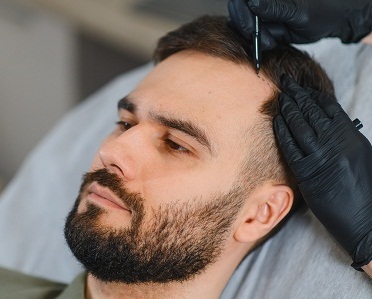



If you are considering a hair transplant, understanding how the procedure works can help you make a more informed decision.
A FUE hair transplant Liverpool patients may consider involves carefully removing individual hair follicles from a suitable donor area before placing them into areas affected by hair thinning or loss.
At Cosmetic Surgery of The Royal Liver Building, hair transplant procedures are provided using FUE with the Direct Hair Implantation (DHI) technique, allowing individual grafts to be placed with precision.
Hair restoration is provided through Hair Transplants of The Royal Liver Building, our dedicated hair transplant service in Liverpool.
Every patient first attends an in-person consultation. During this appointment, hair loss, medical history and donor hair can be assessed before suitable treatment options are discussed.
What Is an FUE Hair Transplant Liverpool Patients Can Consider?
The follicles are then prepared before being implanted into areas affected by hair loss or thinning. The donor area is usually located at the back or sides of the scalp, where suitable hair follicles may be available for transplantation.
An FUE hair transplant may be considered for areas including:
- Receding hairlines
- Thinning around the temples
- Reduced density through the mid-scalp
- Crown thinning
- Generalised hair loss
How Does an FUE Hair Transplant Work?
Consultation and Treatment Planning
An experienced surgeon will assess your pattern of hair loss, donor area and medical history. Your expectations and desired outcome can also be discussed.
If appropriate, a personalised treatment plan can then be created based on your individual hair characteristics and available donor hair.
There is no obligation to proceed with treatment following your consultation.

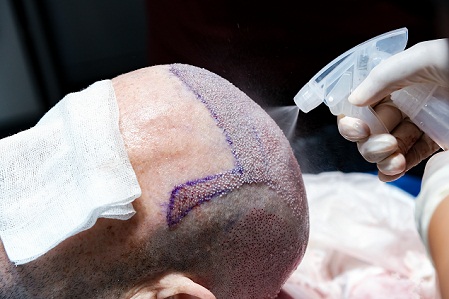
Preparing the Donor Area
Local anaesthetic is administered to help keep you comfortable during the procedure.
Individual Follicle Extraction
Unlike traditional strip procedures, FUE does not involve removing a linear strip of scalp.
The extracted follicles are then prepared for implantation.
Preparing the Hair Grafts
The quality and availability of donor hair are important factors when planning a hair transplant because existing donor follicles are redistributed rather than creating new hair follicles.
Implanting the Follicles
The technique allows control over the angle, depth and positioning of each graft.
This can be particularly important when creating or rebuilding the hairline, where the direction and placement of individual hairs can have a significant effect on the overall appearance.
What Is the Difference Between FUE and DHI Hair Transplants?
FUE and DHI are often discussed together, but they describe different parts of the hair transplant process.
FUE refers primarily to how individual follicles are extracted from the donor area.
DHI, or Direct Hair Implantation, refers to a method of implanting the extracted follicles using a specialist implanter pen.
This means an FUE hair transplant can use DHI for the implantation stage.
At Cosmetic Surgery of The Royal Liver Building, FUE procedures may be carried out using the DHI technique where clinically appropriate.
Who Could Be Suitable for an FUE Hair Transplant Liverpool?
This can include:
- A receding hairline
- Male pattern hair loss
- Thinning hair
- Reduced hair density
- Crown thinning
- Temple recession
- Areas of patchy hair loss
The amount and quality of available donor hair, the pattern of hair loss, your medical history and your expectations will all need to be considered.
A consultation allows your individual circumstances to be assessed before treatment is recommended.
Can an FUE Hair Transplant Create a Natural-Looking Hairline?
The hairline also needs to complement your facial features rather than simply creating the lowest possible hairline.
Using a precise implantation technique can help the surgeon control the placement of individual grafts.
Future hair loss should also be considered when planning treatment. Your surgeon can discuss realistic expectations and the best approach for your individual pattern of hair loss.
What Happens During an FUE Hair Transplant Liverpool Procedure?
Once the donor area has been prepared, individual follicles are extracted and prepared for implantation.
The grafts can then be placed into the recipient area, including the hairline, mid-scalp or crown depending on your treatment plan.
The length of the procedure depends on the number of grafts required.
Minor procedures may take around three to four hours, while more extensive procedures can take six to seven hours. Breaks can also be taken during treatment.
FUE Hair Transplant Liverpool: Recovery and Aftercare
It is normal to experience some redness, sensitivity, swelling or small scabs around the treated areas during the early stages of recovery.
You will receive specific aftercare instructions following your procedure. These may include guidance on washing your hair, sleeping position, exercise and protecting the scalp from direct sunlight.
Following your aftercare instructions carefully is important while the transplanted follicles establish.
Patients in non-physical jobs may be able to return to work within a few days, while those with more physically demanding jobs may need longer.
How Long Does a Hair Transplant Take to Show Results?
Hair transplant results develop gradually rather than immediately.
The transplanted follicles typically enter a resting phase before new hair growth begins. Some patients may notice initial growth within around six months, but the hair continues to develop over time.
Full results are typically assessed between 10 and 14 months after treatment.
Individual results vary depending on factors including hair characteristics, donor hair availability and adherence to aftercare instructions.
For more information, read our guide to Hair Transplant Results.
Choosing an FUE Hair Transplant Clinic in Liverpool
Choosing the right clinic is an important part of considering hair transplant surgery.
Before proceeding, it can be useful to consider:
- Where the procedure will take place
- Who will assess and perform your treatment
- Which hair transplant techniques are offered
- How your donor hair will be assessed
- What aftercare is provided
- Whether you receive an individual treatment plan
- Whether realistic expectations are discussed
At Cosmetic Surgery of The Royal Liver Building, consultations take place in person at our CQC-registered clinic within The Royal Liver Building in Liverpool.
Hair restoration procedures are provided through Hair Transplants of The Royal Liver Building, our dedicated hair transplant service.
Why Choose Hair Transplants of The Royal Liver Building?
Every patient is assessed individually, with treatment planned around their pattern of hair loss, donor hair and desired outcome.
The service is based within Cosmetic Surgery of The Royal Liver Building, a CQC-registered clinic located within The Royal Liver Building.
The focus is on careful planning, precise follicle placement and realistic expectations rather than a one-size-fits-all approach.
What Are the Benefits of FUE Hair Transplant Treatment?
These can include:
- Individual follicle extraction
- No linear strip scar
- Precise graft placement
- Minimally invasive treatment
- Treatment under local anaesthetic
- Generally short recovery time
- The ability to target specific areas of hair loss
As with any surgical procedure, there are potential risks and side effects. These can include temporary swelling, sensitivity, bleeding, bruising, folliculitis, numbness and temporary shock loss.
Your surgeon will discuss the potential risks and benefits during your consultation.
Frequently Asked Questions
FUE hair transplant treatment is performed under local anaesthetic. This helps minimise discomfort during the procedure. Some tenderness or sensitivity can occur during the recovery period.
The number of grafts required depends on your pattern of hair loss, donor hair availability and the area being treated. Your surgeon will assess these factors during your consultation.
FUE does not leave the linear scar associated with strip extraction. However, tiny dot scars can remain where individual follicles have been removed. These are generally difficult to see unless the hair is closely shaved or inspected closely.
Full results are typically visible between 10 and 14 months.
Your surgeon can assess your donor area and discuss whether additional treatment may be appropriate.
Book Your FUE Hair Transplant Liverpool Consultation
Related Hair Transplant Guides
If you are researching hair transplants, hair loss or FUE treatment in Liverpool, our related guides may also be useful:
World Cup Footballers and Hair Transplants
Hair Transplant in Liverpool
Hair Transplant Liverpool
Hair Transplants Liverpool
Hair Transplant Cost
Learn More About Hair Restoration in Liverpool
Hair loss can affect confidence and the way you feel about your appearance. If you are considering hair restoration, understanding the available techniques and what treatment involves can help you make an informed decision.
An FUE hair transplant using the DHI technique may be suitable for patients looking to restore areas of thinning hair, a receding hairline or reduced density.
For specialist hair restoration in Liverpool, visit Hair Transplants of The Royal Liver Building to learn more about FUE and DHI hair transplant treatment and arrange an in-person consultation.

 Spread the cost monthly